
Big Changes Coming to Germany in February 2026
February 2026 is here, bringing massive tax gifts and the end of anonymous crypto. Learn how to optimize your payslip and protect your investments today! 📈
Key Takeaways
- While the tax-free allowance provides relief, rising healthcare surcharges mean high earners may still see a net decrease.
- Expats benefit from a €12,348 tax-free allowance, higher child benefits, and expanded commuter deductions starting this month.
- New DAC8 laws mandate total transparency for crypto exchanges, requiring users to verify data or risk frozen accounts.
- Market volatility and political headlines are short-term distractions; long-term growth depends on consistent, disciplined investing.
You are currently viewing a placeholder content from YouTube. To access the actual content, click the button below. Please note that doing so will share data with third-party providers.
More InformationNavigating the First Full Month of Germany's New Financial Era
February marks the first full month of Germany’s new 2026 financial era—featuring the official end of anonymous crypto trading and the largest tax-free allowance increase in years. Many of us are asking: am I actually coming out on top after these changes, or is the rising cost of social security eating my hard-earned pay increase?
In this guide, we skip the boring politics and focus on the four big changes that actually impact your bank account, providing a clear strategy on exactly what to do next to protect your wealth.
The Net Salary Paradox: Why Your Payslip Changed
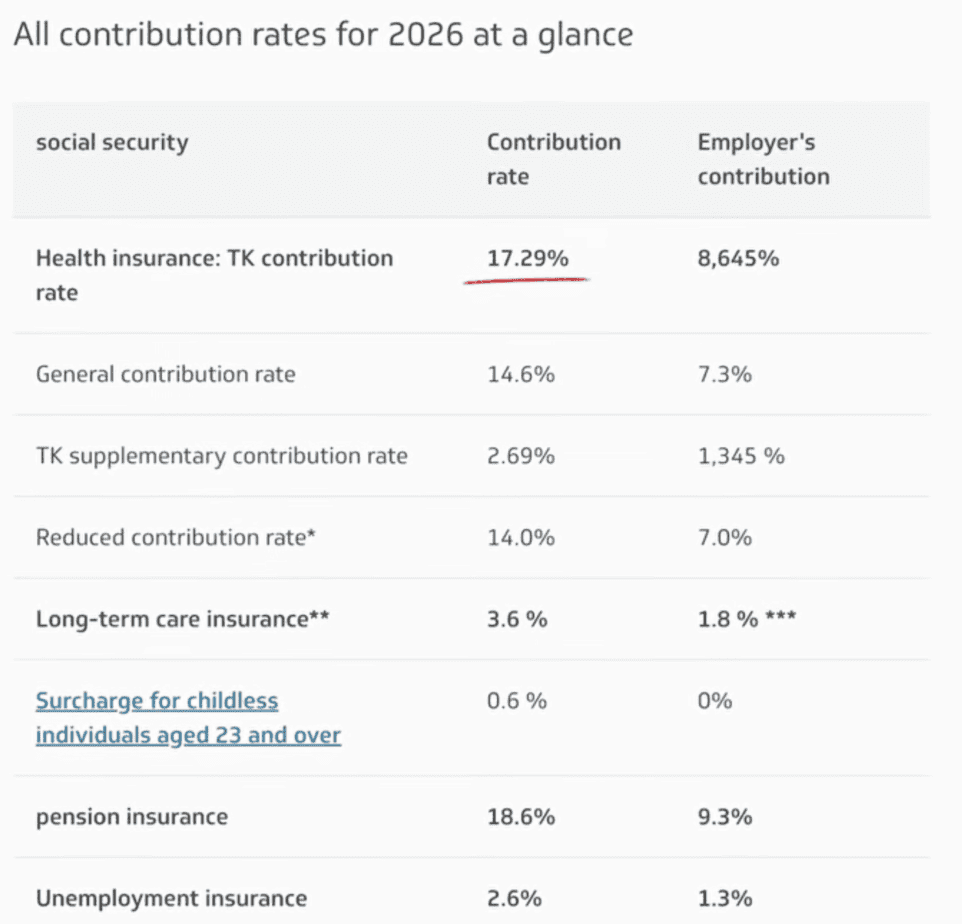
In just a few days, many of you will receive your first full February payslip of 2026. This is when you will see that your net salary has changed from last year—but perhaps not in the way you anticipated. If you earn the average German salary of roughly €4,750 gross, you’ll likely see a modest increase of about €4 more net per month compared to 2025. While not a fortune, in a year of massive systemic shifts, this is a stable result. However, for those earning €80,000, you are likely looking at €10 less per month, and at €105,000, that drop is closer to €30 per month.
The primary culprit here is the Zusatzbeitrag—the additional fee public health insurers charge on top of the base rate. For 2026, the average additional contribution has jumped to 2.9%, and major providers like Techniker Krankenkasse (TK) have adjusted their rates accordingly. If you earn more than €77,400, you have reached the threshold to switch to private health insurance (PKV). This remains the only way to decouple your healthcare costs from your rising salary and potentially save thousands every year.


The Tax Speedrun: Germany’s 2026 Financial Gifts
While rising social security costs aren’t exciting, the German government is handing out some massive tax gifts this year that many of us have already overlooked. First, the Grundfreibetrag—the amount you can earn completely tax-free—has jumped to €12,348. Furthermore, the top 42% tax bracket now kicks in later, starting at nearly €70,000, allowing more of your salary to stay in lower-taxed zones.
Parents also see a boost: Kindergeld has increased to €259 per child, and the total child tax allowance (Kinderfreibetrag) is now nearly €10,000. If you commute to work, you now benefit from the maximum Pendlerpauschale of 38 cents per kilometer starting from the very first kilometer. Additionally, the Minijob limit is now €603 per month, and restaurants have seen a VAT reduction to 7%. Germany is effectively putting a lot of money back into our pockets; the key is knowing how to claim it through your tax return.
The End of the "Crypto Wild West": Understanding DAC8
If you hold assets like Bitcoin or Ethereum, listen closely: the “Wild West” is officially over as the new DAC8 reporting rules are now in full effect. Every crypto exchange serving customers in the EU is now legally required to report your data directly to the Finanzamt. This includes platforms like Coinbase, Kraken, and even Trade Republic, which are now sharing your name, birthday, tax ID, wallet addresses, and the values of every transaction.
Check your emails immediately. Under the new law, you must provide updated tax information to your provider; if you ignore these requests for more than 60 days, they are legally forced to block your account. While this sounds intrusive, it is a massive step toward crypto being treated as a legitimate asset class. Plus, the “German Crypto Miracle” still stands: hold your coins for more than one year, and your gains remain 100% tax-free. Even for shorter terms, the tax-free limit for private sales has been increased to €1,000 per year.
You are currently viewing a placeholder content from YouTube. To access the actual content, click the button below. Please note that doing so will share data with third-party providers.
More InformationInvesting Through Chaos: The Mathematics of the Long Term
Looking at these systemic changes, you might wonder if it is even worth saving in such a chaotic world. Some even point to bold visions from tech leaders like Elon Musk, who suggests that in an age of AI-driven abundance, money might become irrelevant. However, history shows that “world-ending” headlines—like the recent Greenland crisis or military tensions—often become yesterday’s news faster than we expect.
Whether it was the market crashes of 1987 or the global pandemic in 2020, these events appear as tiny, irrelevant dips on a 30-year stock market chart. Markets are political and noisy in the short term, but they are mathematical in the long term. If you let the noise of February stop you from investing, you risk missing out on the year’s potential growth. The best time to start building your future is today. Don’t wait for the world to be “quiet”; take control of your financial strategy now to ensure you are among those who thrive in Germany’s new era.